Lucas Roger
Apr 4, 2026
Koda to production code: a new approach
Koda to production code: a new approach
For years, the workflow looked like this:
Design the interface, export assets, write code, fix mismatches, repeat. It worked, but it was slow.
Modern teams are adopting a different model. Instead of translating design into code, they generate production-ready components directly from the design itself. That shift changes everything.
The Traditional Workflow
Most teams still follow this pattern:
Design → Handoff → Rebuild → Ship
Each step adds friction. Common issues include:
inconsistent spacing
layout bugs
duplicated logic
delayed releases
The problem is not the tools. It is the workflow.
The New Approach
The new workflow looks like this:
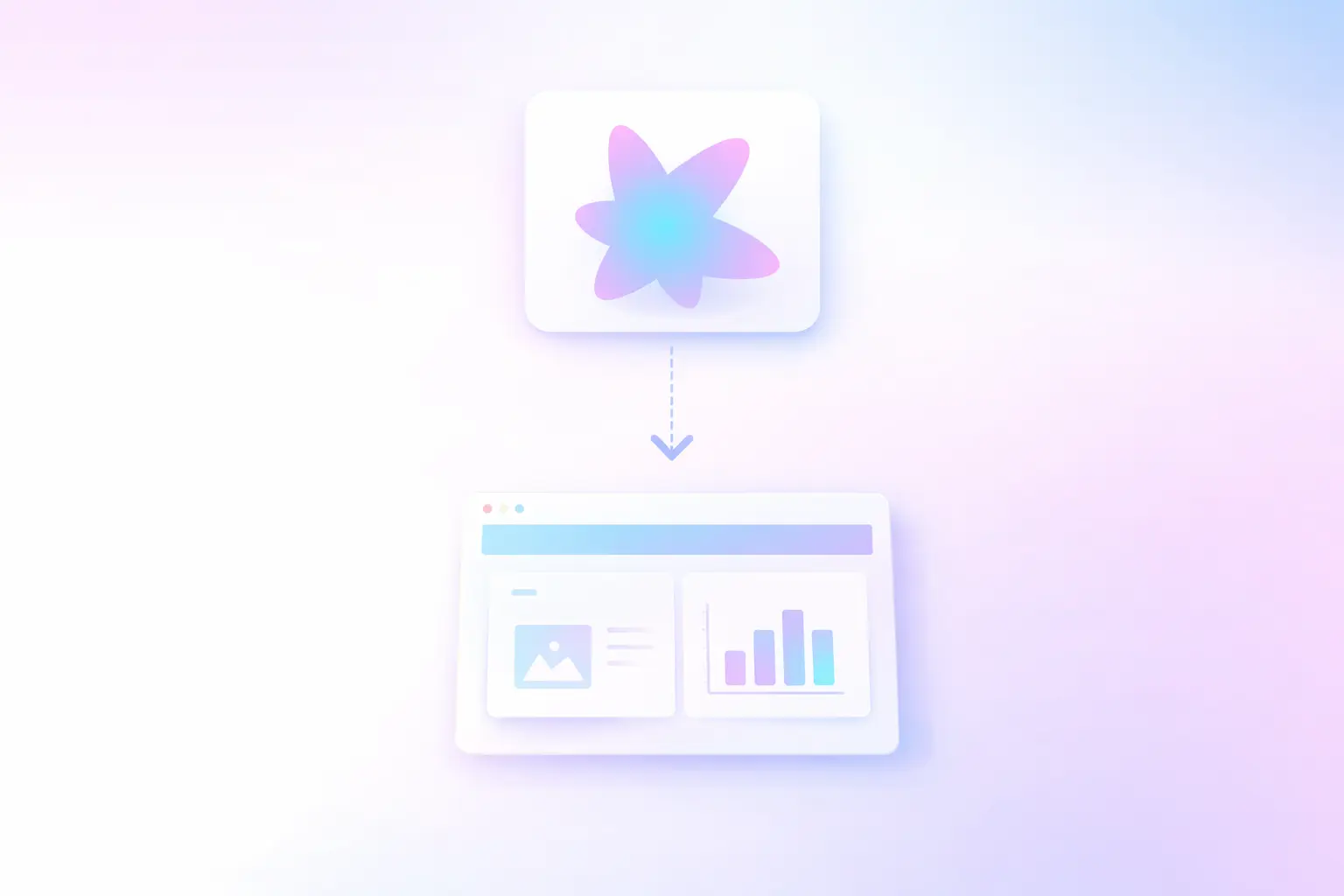
Design → Component → Production
No rebuild step. No manual translation. No duplication.
What Makes This Possible
Modern platforms treat design as structure, not just visuals. That means:
Layouts become real flexbox, containers become real components, spacing becomes real CSS, and behavior becomes predictable
The design is already production-ready.
Why Teams Are Moving to This Model
Faster Development
Developers spend less time rebuilding UI. They focus on logic and features.
Better Consistency
Design and code share the same structure. No drift. No mismatch.
Easier Scaling
Reusable components make large systems manageable. New features become faster to ship.
The Future of Frontend Workflows
The boundary between design and development is disappearing. Teams are moving toward:
Shared systems, reusable components, production-ready layouts, continuous delivery
This is not a trend. It is the next stage of frontend infrastructure.
The Bottom Line
The fastest workflow is the one that removes the rebuild step.
Design once.
Ship real code.
Start building
Start shipping faster today
Turn your designs into production ready code in minutes — not days.